Service

Mould Inspection: Structured Building Investigation

A structured visual and instrumented inspection that records visible growth, moisture readings and ventilation context, then decides whether air sampling or intrusive opening is needed — and reports the findings clearly.

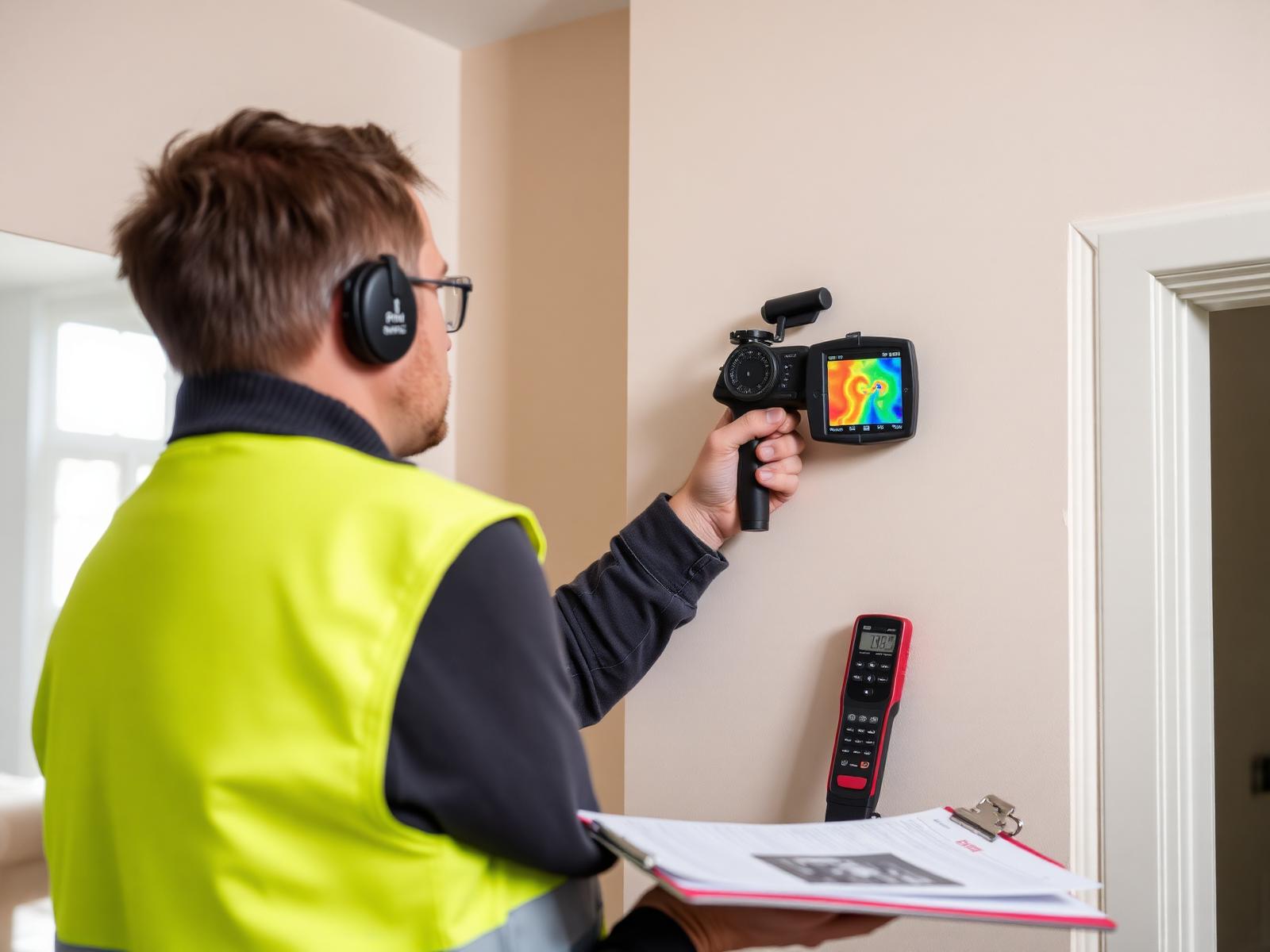
Mould surveyor using a thermal imaging camera and moisture meter on an interior wall

Method

Visual + instrumented

Tools

Moisture, thermal, RH

Output

Written report

Scope

Residential & commercial

01

What an inspection covers

A mould inspection is a structured walkthrough of the affected property by a trained surveyor. It records the location, extent and character of any visible growth, takes moisture meter readings across suspect surfaces, captures surface temperatures and dew point margins with a thermal camera and an RH/T probe, and notes the ventilation provision serving each affected space.

The inspector also records building context that drives mould risk: external defects, roof penetrations, rainwater goods, flashing condition, ground levels, internal moisture sources such as drying laundry and showering patterns, and any history of leaks or flooding.

02

When to commission an inspection

An inspection is the appropriate first step where visible mould is present, where there is a musty smell without an obvious source, after a leak or flood, when preparing for or contesting a damp and mould complaint, and as part of due diligence before purchase or letting. It is also the right starting point before any large-scale remediation is scoped — to make sure the work addresses the cause, not only the symptom.

03

When sampling is added

Sampling is not automatic. It is recommended when the inspection alone cannot answer the question that brought us in. Typical triggers include: occupant health complaints with limited visible growth, suspected hidden colonisation behind walls or under floors, contested complaints requiring documented exposure data, and clearance testing after remediation work.

Where sampling is appropriate, we explain the method — airborne spore-trap, surface tape lift or both — and the expected interpretation before any cassettes are deployed.

04

The inspection process

A typical residential inspection takes one to two hours on site; commercial buildings scale with size. We start with an external walk-around, then move room-by-room through the affected zones and through any control rooms used for comparison. Every observation is logged with a location, an instrument reading where applicable, and a photograph.

We close the visit with a verbal summary of the most likely cause and the recommended next steps, so you are not waiting on the written report to act on the obvious.

05

What the report contains

The written report sets out the findings, the most likely moisture sources, the building defects identified, any sampling results, and a prioritised list of remedial actions distinguishing what is essential, what is desirable and what is optional. Reports are written in plain English so they can be used directly by homeowners, landlords, tenants, surveyors and insurers.

06

Frequently asked questions

What does a mould inspection involve?

A trained surveyor carries out a structured visual and instrumented walkthrough of the property, recording visible growth, moisture readings, surface temperatures, ventilation provision and any building defects relevant to damp.

Is air sampling always required?

No. Sampling is recommended where the inspection cannot resolve the question — for example where occupants report symptoms but visible growth is limited, or where hidden growth is suspected behind finishes.

Will you disturb the property?

An inspection is non-intrusive by default. Where intrusive opening is essential, we agree the scope and locations with you in advance and coordinate with your contractor.

Do you cover both homes and commercial buildings?

Yes. The same inspection method scales from a single flat to a multi-storey office, school or healthcare building.

Next step

Book a professional mould inspection

Book a Mould Survey