Service

Mould Air Testing for UK Homes and Buildings

Independent airborne mould testing: calibrated spore sampling, laboratory identification of the genera present, and an indoor–outdoor comparison that turns visible damp into evidence you can act on.

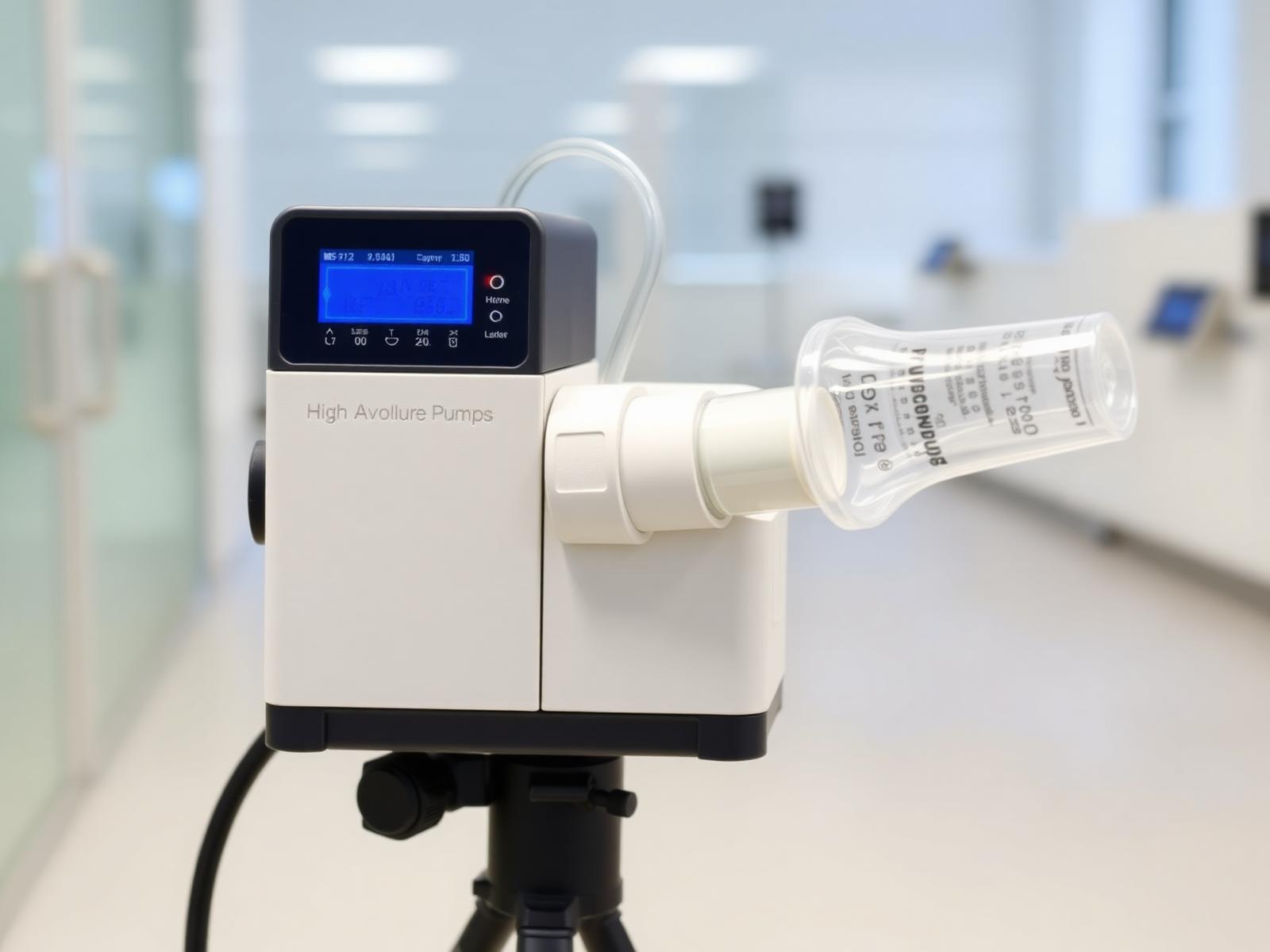
Calibrated mould air sampling pump and spore-trap cassette set up in a UK home

Method

Calibrated spore-trap pump

Output

Spores per m³, by genus

Reference

Paired outdoor sample

For

Homes · Offices · Schools

01

What mould air testing is

Mould air testing is the on-site sampling and laboratory analysis of airborne fungal spores in a defined volume of indoor air. A calibrated pump draws air at a known flow rate through a sticky-surface cassette for a fixed sampling period. Spores impact onto the trace, the cassette is sealed and shipped to a UKAS-aligned laboratory, and the result is reported in spores per cubic metre alongside the genera observed.

It is the standard objective method for characterising airborne mould exposure in UK buildings, used alongside — not as a substitute for — visual inspection and moisture investigation.

02

When to commission air testing

Typical reasons for an air test include a persistent musty smell with little or no visible growth, recurring mould that cleaning does not resolve, occupant symptoms with limited visual evidence, post-flood or post-leak verification, due diligence before purchase or letting of a property with damp history, disputed landlord–tenant complaints, and clearance testing after remediation.

Where visible growth is widespread and the moisture source is obvious, the priority is usually to address the moisture and remove the affected materials rather than to quantify what is already evident.

03

How the visit works

A typical visit lasts one to three hours. The technician calibrates the pump on site, then takes a paired outdoor reference sample upwind of the building. Indoor samples follow a defined hierarchy: the suspect room first, then adjacent rooms, then supply air from any central HVAC system if relevant.

Every cassette is labelled with location, start and end times, flow rate and total sampled volume. A short building walkthrough records visible growth, moisture meter readings, ventilation provision and any complaints — context that the laboratory and the interpretive report both depend on.

04

How results are interpreted

A raw spore count is meaningful only in context. Three comparisons make it diagnostic. Indoor versus outdoor totals show whether the building is amplifying spore concentrations or simply mirroring the outdoor load. Species composition matters: outdoor air is normally dominated by Cladosporium and Alternaria, so a strong indoor presence of Aspergillus, Penicillium, Stachybotrys or Chaetomium with little outdoor counterpart points to an indoor source. Room-to-room patterns help localise that source.

Stachybotrys and Chaetomium carry particular weight because both require sustained wetness — finding them indoors indicates ongoing or recent water damage that warrants focused investigation regardless of the headline count.

05

What air testing does not do

Air testing is a short snapshot. Spore release fluctuates with humidity, occupant activity and air movement. Standard non-viable cassettes count both living and dead spores; they cannot, on their own, tell you whether the source is currently active. Microscopy resolves spores to genus, not always to species — further methods such as viable culture or qPCR are added where finer resolution matters.

A spore count is not a medical diagnosis. It describes exposure, not causation. Where occupants are unwell, medical assessment remains with a clinician; the air-testing report provides exposure evidence that the clinician can weigh alongside symptoms.

06

What you receive

You receive the laboratory's analytical report with raw counts and genera, alongside an interpretive report covering the indoor–outdoor comparison, comments on species of concern, the building observations made on site, and clear recommendations on whether further investigation, remediation or clearance re-testing is appropriate.

Reports are written in plain English and are routinely used to support repair requests, insurance claims, landlord–tenant correspondence and Awaab's Law responses.

07

Frequently asked questions

When is mould air testing needed?

After a leak or flood, where occupants report musty smells or symptoms but visible growth is limited, where hidden colonisation is suspected, before purchasing or letting a property with damp history, and as clearance testing after remediation.

What does the test actually measure?

Mould air testing measures the concentration of fungal spores in a known volume of air, reported in spores per cubic metre, with genera identified by laboratory microscopy of a calibrated spore-trap cassette.

Why are outdoor samples taken too?

Outdoor air carries a constantly varying spore load that enters every building. Without a paired outdoor sample, an indoor count cannot be interpreted as elevated or normal.

Is there a UK 'safe' airborne spore limit?

There is no statutory safe threshold for indoor airborne mould in the UK. Interpretation is comparative: indoor counts and species composition are compared with the paired outdoor reference and with the building context.

Can air testing locate hidden mould?

It can indicate hidden colonisation when indoor counts of moisture-marker genera such as Stachybotrys or Chaetomium are elevated above outdoor levels. Localising the source then combines sampling with moisture meters and thermal imaging.

Next step

Commission independent mould air testing

Arrange Air Testing